Archives: Blogs

The Austin Consulting Blogs

That’s a Wrap – Food Packaging Basics


Food packaging line with automated equipment sealing and labeling products, illustrating primary, secondary, and tertiary packaging stages.

Good packaging doesn’t just happen; it’s designed and delivered. And even a well-designed package requires a significant investment in quality equipment to fill, close, label, inspect and case the product. This section presents a brief overview of the major items associated with the package and the packaging system.

A Well-Designed Package

Good packaging doesn’t just happen; it’s designed and delivered. And even a well-designed package requires a significant investment in quality equipment to fill, close, label, inspect and case the product. This section presents a brief overview of the major items associated with the package and the packaging system.

A Well-Designed Package

A well-designed package must achieve several goals simultaneously. First, it must protect the product from environmental factors that degrade product quality. Second, it should complement the use of the product. Third, it must present the product in a desirable and appealing fashion. Fourth, it has to survive the rigors of the distribution system. Fifth, and last, it has to “go the distance” until the product is consumed.

Three Packaging Types

The primary package is the package that a single-serving or standard amount of the product comes in. A secondary package is typically a carton or a case that encloses a bundle or grouping of primary containers. Tertiary packaging typically refers to pallets, slip sheets, and stretch wraps that deliver unit loads to a warehousing environment.

Primary Packaging

The major environmental factors contributing to product degradation are light, oxygen, moisture, and heat. The selection of barrier properties in the primary package is critical to ensuring that the package protects the product. The design of the package may influence how the product is dispensed and stored in the consumer’s household. Whether the product is designed for multiple-use delivery or single-serve (one-time) dispensing, package shape, closure, and ability to reseal completely are all important to consider. Eye-catching graphics, the use of color, and the shape of the package all contribute to the appeal of the product and the package. It should come as no surprise that the package can oftentimes be one of the best means for encouraging a trial purchase.

Secondary Packaging

Keeping the package intact until the point of sale is a job in itself. Efficient systems for grouping, bundling, and stacking products for shipment are critical to successful operations. But not all approaches are equally effective, nor does any single approach apply in all circumstances. A system tailored to handle the primary package while delivering protection against abrasion, puncture, crushing, and dropping damage is a critical part of the mix. And, while it’s possible to make an outer container that’s impervious to these challenges, it’s always a tradeoff between protection and easy-opening features that improve product acceptance.

In many warehouses and “club” stores, the secondary packaging is partially opened and serves as a display unit for the product. It’s also common to see products that are being promoted shipped in specially-designed display cases, which are types of secondary packaging.

Tertiary Packaging

Before the rise of warehouse and “club” stores, most products were shipped in brown, corrugated cases stacked upon wooden pallets. The pallet load was typically tied together with string or tape to help build a stable pallet load.

In the last twenty years, this delivery system has been severely challenged by the club and warehouse stores, who object to the large amount of corrugated material that has to be removed and disposed of. As a result, a combination of display-ready cases integrated with plastic stretch-wrapping material has become more commonplace.

Some retailers require the inclusion of RFID (radio frequency identification) tags on the external pallet load. RFID tags are small microchips that may be applied to either a pallet load or, in some instances, individual cases so that automated equipment may scan, identify, record, and track incoming and outgoing shipments without the need for visual identification methods.

Designing the System

It’s in the selection, installation, and start-up of equipment where the “rubber meets the road.” The design and implementation of the packaging system usually involve trade-offs among operational speed, crewing levels, and material supply issues. Layout is strongly impacted by material handling and operator line-of-sight requirements. Operator skill-set requirements, training, and the control system interface may significantly impact overall line efficiency and reliability.

Crewing

Recent advances in automation, control, and changeover tooling have all tended to reduce the need for operators to full-time monitor packaging machinery. However, we’re still far from the “lights out” factory of the future once predicted in the early 1980s.

Fewer crew means more emphasis on communication and line-of-sight control. This factor is often overlooked in the design of high-speed lines. Operator response times are significantly improved if operators can communicate both visually and verbally with each other and if they can see upstream and downstream disturbances in product flow through the line. Building layouts that include intervening walls and/or different operating floor levels may oftentimes be necessary for biological or processing reasons, and they can create operator inefficiencies. Where walls must be installed, adequate windows should be provided, and communication systems between operators have proven effective in multi-level operations.

Material Handling On-line

Another critical component of line design is allowing for adequate access and delivery of packaging materials and supplies, plus the removal of generated waste and trash. Having adequate traffic aisles and “staging” areas immediately adjacent to usage points is critical for the proper operation of the line. If travel distances from storage to use points are especially long, delays in restocking the line (and resulting downtime) may be expected. It’s also critical to anticipate where and when a catastrophic failure of a downstream component might require an expedient way of disposing of a large amount of product. For example, in a baking operation, over 30 minutes of production may be in transit through the ovens. If the downstream portion of the line were to “shut down,” the product must be cleared from the line to prevent burning or loss of product. Appropriate accumulators, dropouts, and diverters should be positioned to assist in this situation.

Automation and Training

While there have been significant improvements in automation and control systems over the years, it ultimately comes down to competent, trained, and motivated operators and line personnel. The design of the packaging line cannot be solely focused on equipment selection and throughput. Consideration around operator requirements, control system complexity, and the availability and adequacy of training programs must all be built into the packaging system from the beginning and not as an afterthought.

Conclusion

Packaging system designs must take all of these goals and factors into account while delivering cost-effective and efficient systems with a high degree of reliability and safety. Putting systems like this together is both an art and a science.

The Austin Company Attends SelectUSA

Select USA 2023

The Austin Company, including Austin’s site selection consulting arm, attends the SelectUSA, May 1-4, 2023. This year’s event is being held at the Gaylord National Resort & Convention Center, National Harbor, MD. Join us at booth #935 to learn more about how Austin can help you with all your site selection and Design-Build needs.  

SelectUSA is a U.S. government program led by the U.S. Department of Commerce that focuses on facilitating job-creating business investment in the United States and raising awareness of the critical role that economic development plays in the U.S. economy. Since its inception, SelectUSA has facilitated more than $91 billion in investment, creating and/or retaining over 115,000 U.S. jobs.

Hosted by U.S. Secretary of Commerce Gina M. Raimondo, notable speakers presenting at the conference include Cabinet members, U.S. governors, thought leaders, and C-suite executives from U.S. and global companies. The event features business and networking opportunities for participants committed to innovation and entrepreneurship.

Austin looks forward to leading the way in helping companies gain a foothold in the U.S. market.

Attending

Jim Cathcart, General Manager

Matt Eddleman, Senior Vice President of Operations

Kylee Garretson, Sit Location Consultant

Johnathan Gemmen, Senior Vice Presdient of Operations

Lynn Huff, Director of Project Planning

Matt Poreba, Director, Austin Consulting

Brandon Talbert, Managing Director, Austin Consulting

Tamara Zupancic, Director of Marketing and Communications

The Heart of the Matter

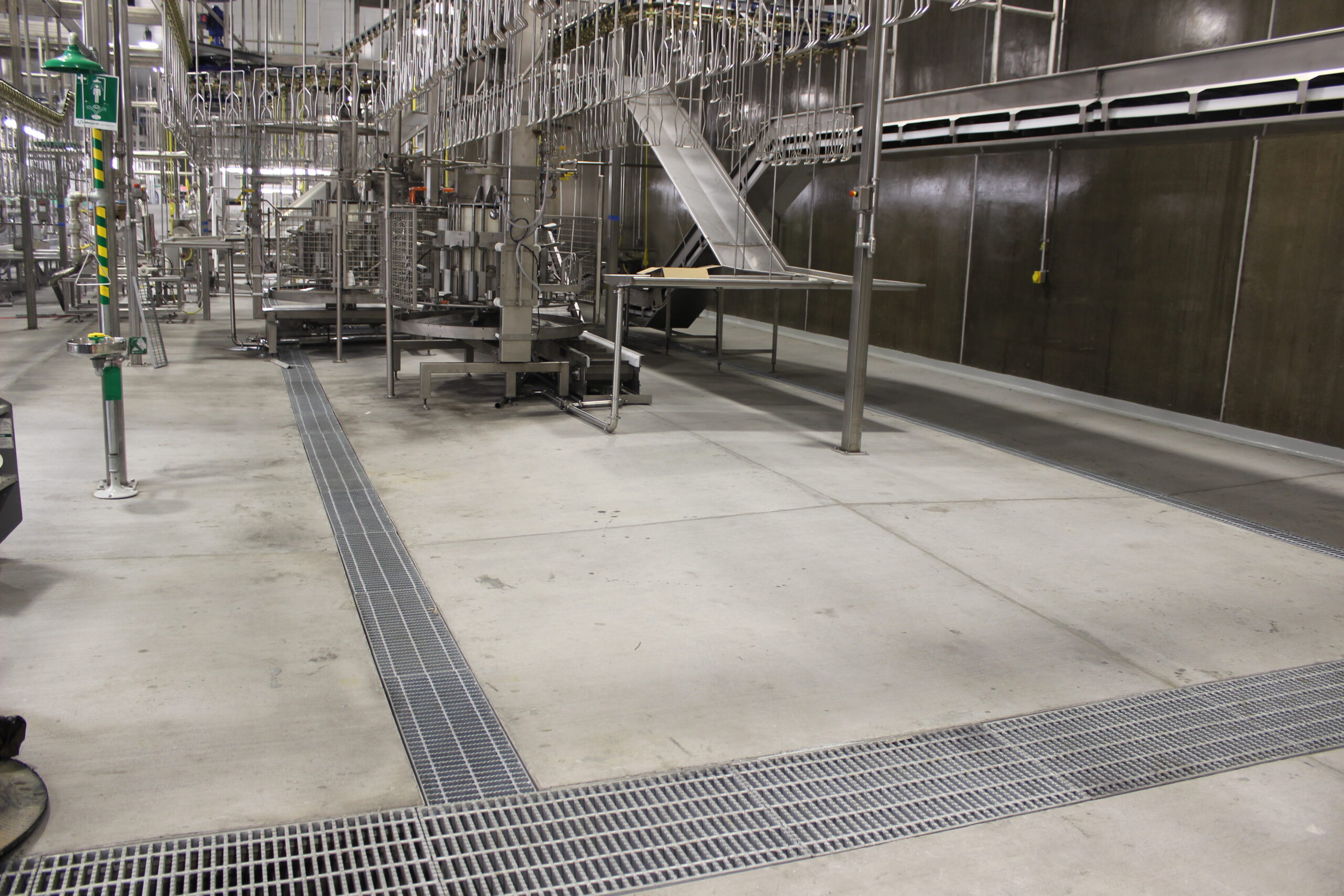
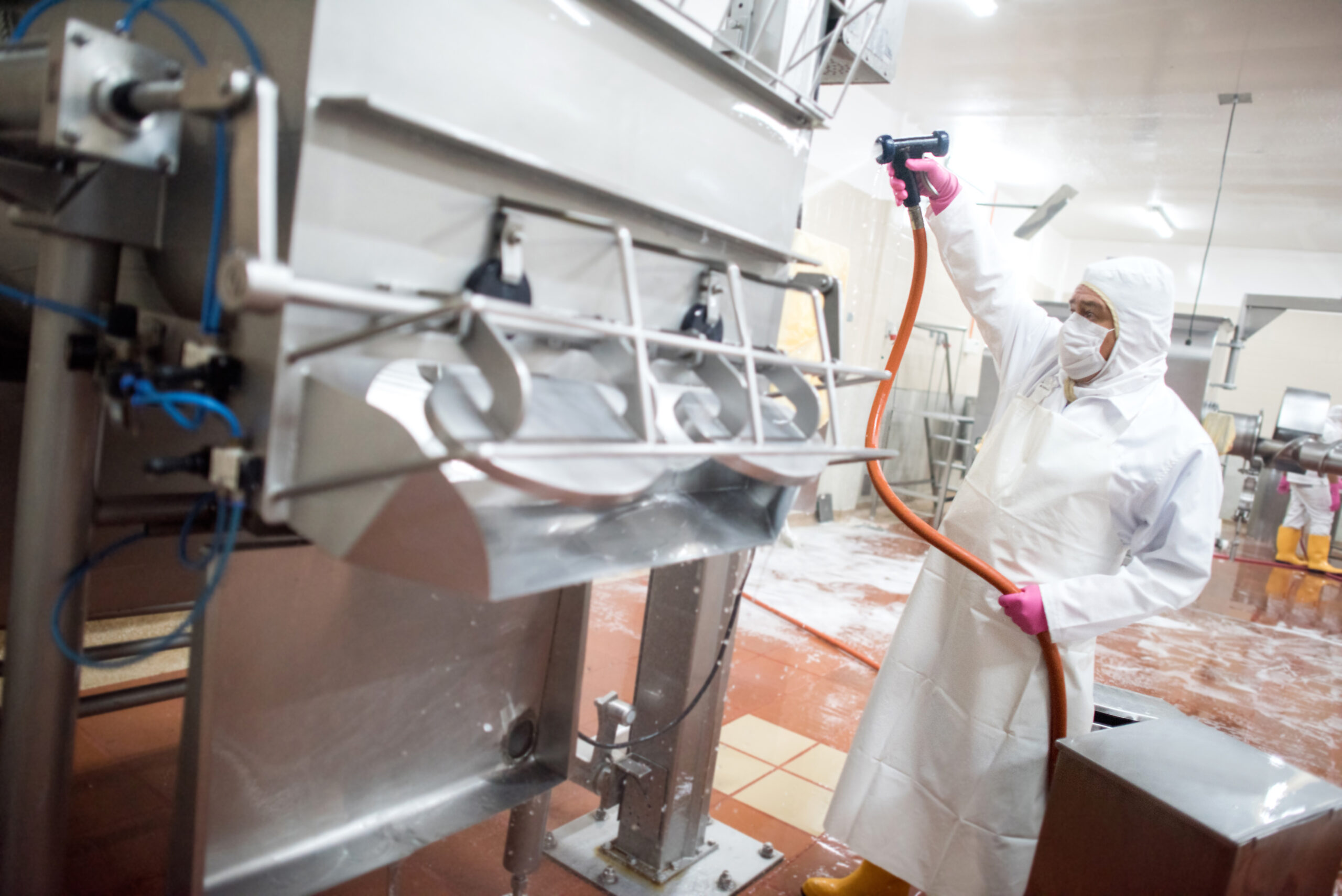
Interior of a food processing facility showing hygienic design, equipment layout, and workflow planning for packaging, storage, and sanitation.

Process, Material Handling & Storage Considerations

For a Food Plant project to be successful, it must be planned from the inside out, beginning with a careful analysis and documentation of the processing, packaging, and storage operation requirements. The full range of products and their packaging to be produced must be identified along with a definition of the required capacity for each. Thorough documentation of this basic information is critical so that specialized technical and procurement personnel working on design and construction maintain contact with the essential areas of focus of the project.

The tools and data usually used to define the products and processes include:

  • Product Family and SKU Lists, including packaging requirements.
  • Raw material specifications and physical property data.
  • Packaging and Labeling materials specifications and physical data.
  • Finished Product data sheets, specifications, and physical property data.
  • Process Flow Diagrams and P&IDs in the case of automated processes.
  • Material Balances and line capacity calculations.
  • Peak week work schedules.
  • Equipment Lists, including utility requirements.
  • Staffing assignments by department, by shift, and by gender.
  • Preliminary or final HACCP and product quality specifications.
  • Preliminary Standard Operating Procedures (SOPs) and Sanitation Standard Operating Procedures (SSOPs).

The planning activity must include many important operational factors to ensure a good outcome.

  • Seasonality of supply and demand.
  • Sensible inventory levels for raw materials, packaging materials, and finished products.
  • Flexibility to meet changing market conditions – especially with retail packaging.
  • Provisions for future expansion and potential automation.
  • Growth in requirements for food safety and security coming from customers and regulatory agencies.
  • Evaluation of options for mechanized material handling and automation.
  • Provisions for handling of allergens, special? materials, re-work, returns, and by-products.
  • Definition of environmental control requirements (air emissions, wastewater treatment).
  • Definition of Ergonomic and Worker Safety issues.
  • Determine the level of automation desired.

The design of physical spaces for processing, packaging, and storage operations must be based on an intimate knowledge of the manufacturing, quality, and food safety requirements. Many critical factors must be evaluated, including:

  • Environmental and sanitation requirements to determine appropriate materials for construction.
  • Isolation of incompatible activities.
  • Dividing the plant up into distinct “hygiene zones” and isolation process areas handling allergens.
  • Provisions for and segregation of traffic (people, raw materials, wheeled vehicles & carts, trash movements).
  • Control of airflow and room pressurization by hygiene zone and make-up air quality.
  • Ease of cleaning equipment and interior surfaces.
  • Ease of maintaining the equipment.
  • Installed equipment and services for sanitation, COP, and CIP.

When a plan for processing, materials handling, and storage is developed, the following documentation needs to be carefully reviewed and approved by management and critical operations, quality, and sanitation personnel to give the building and utility design professionals a well-defined starting point for facility design.

Master Equipment List

  • Equipment and room layouts for processing spaces.
  • Rack or stack layouts for storage spaces.
  • Processing areas room finish schedule.
  • Plant-wide traffic + workflow diagrams or layouts.
  • Plant-wide airflow diagrams.
  • Plant-wide Hygiene Zone definitions.
  • Criteria for welfare activities.
  • Criteria for support spaces (control rooms, labs, chemical storage, COP rooms, etc.)

Project Design – A Step-Wise Approach

In the Planning step of developing the design for what a new food processing facility will be, it is of critical importance to develop an initial project team comprised of management, production personnel, and engineering support staff to begin looking at the issues involved in developing an exemplary process flow, required equipment lists, warehousing needs, and square footage requirements.

Once the essential planning is completed, a Conceptual Design and Order of Magnitude Cost Estimate should be developed, typically with an accuracy range of 25-30%, where all major cost issues can be examined and discussed before moving forward with further design activities.  Once the Conceptual Design is approved, a Milestone Schedule should be developed and the entire project reviewed by the project team to ensure that the four critical areas of project control – Scope, Cost, Time, and Quality – have been addressed and performance guidelines established.

Based on the planning work and approval thereof, design and engineering can be advanced to the 30% to 50% range by discipline to support the development of a detailed cost estimate and a comprehensive project schedule before proceeding with the final design, engineering, equipment procurement, and construction.

Now that we’ve briefly discussed the “how” of a food plant design, let’s take some time to look at what goes on inside and some critical areas and issues that need to be considered:

Food processing facilities are generally designed to either process a grown or harvested product (such as a coffee roasting plant, dairy, or meat) or to assemble various ingredients from diverse sources into a “manufactured” food product (such as a confectionery, baking, or ready-meals plant). In most cases, plants will be designed to produce a single product or a group of related products.

As stated in our introduction, the U.S. food and beverage industry is one of the most regulated entities in the world. Its basis is legislation enacted as the Federal Food, Drug, and Cosmetic Act, which provides for the regulation of all food and pharmaceuticals produced in the U.S. In addition to federal laws, many states and municipalities have additional requirements.

The U.S. Food and Drug Administration (FDA) and the U.S. Department of Agriculture (USDA) are the two federal agencies charged with regulating the food industry. The USDA oversees all meat and poultry-related operations, while the FDA looks out for everything else, including seafood. Recently these two governing agencies have been combined based on the Food Safety Modernization Act (FSMA).

Today, many additional (and not always coordinated) requirements or guidelines are overlaid on the US Government requirements by industry consensus, customers, or foreign trade protocols.

SQL2000.

Global Food Safety Initiative.

FDA or USDA Draft Guidance.

Typical Process Facility Areas

Depending on the food processed, a typical food manufacturing facility may contain many or all of the following functions, each with its particular requirements:

Receiving

Raw materials are often received in large quantities and deposited into bulk storage. Materials received this way can include liquid ingredients such as high-fructose corn syrup and milk or solids such as meat, flour, or corn meal. In some instances, raw materials are received in the solid (bulk) form and then converted to liquid storage for use in the manufacturing process (such as milk chocolate). Some raw materials and most packaging materials arrive on pallets, while others may arrive in reusable totes and bulk containers.

Raw Material Holding

Occasionally, raw materials need to be segregated before being released into the manufacturing cycle, allowing the materials to be tested for bacteria or impurities before being processed. Fresh or frozen products must be segregated in refrigerated storage areas to prevent cross-contamination, especially raw materials such as meat products. Sometimes, tempering rooms, which allow frozen ingredients to thaw safely before processing, are necessary. Dry storage areas of adequate size are still needed for materials not requiring refrigeration.

Process Preparation – Grinding, Mixing, Batching, and Blending

Almost all raw materials will need some preparation before being utilized in the manufacturing process; a plant needs adequate space and flow to de-palletize, debag, sort, weigh and measure materials. Incoming raw materials may need to be cleaned, washed, or sanitized. These “holding areas” can also be used as a weighing and pre-batch area for “minor” ingredients (i.e., flavorings, colorants, etc.) which may need to be added to the product being manufactured.

Baking, Smoking, Cooking, and Cooling

Processes that can take place in these areas include an extensive array of thermal processes, including baking, cooking in kettles, frying, broilers, retorts, food processing ovens (batch and continuous linear), and sous vide cooking equipment. The product is almost always cooled, chilled, or frozen immediately after heating using mechanical or cryogenic cooling.  Some chilled products may be classified as “ready-to-eat” or “ready-to-cook” food products.

Packaging

Products are packaged for retail or food service. The range of possibilities is extensive and ever-changing, including but not limited to horizontal roll stock, vertical form fill seal (VFFS), various tray loading, cartooning, aseptic, and flow wrapping, to name a few. Capabilities sometimes are needed for club packs and variety packs, which add complexity. Some products may be pasteurized after packaging, but many must be handled under strict hygienic conditions until hermetically sealed in packages. Collating packages and manually or automatically loaded into cases, case labeling, and manual or automated palletizing conclude this activity.

Storage

Although many products may be loaded directly into trucks, some plants will require storage areas for processed foods. One issue that all food processors deal with is that the longer a product stays in storage, the shorter its shelf life will be when arriving into commerce. Assumptions on the product mix and days of storage required for receiving, work-in-process, dry storage, and finished goods must be agreed upon at the beginning of the design. Some storage areas, such as those for ice cream, meat, and other perishables, need refrigeration. As regulations apply, employees may use the storage area to test finished products before distribution.

Shipping

Loading onto rail cars or trucks is usually done via fork trucks or pallet jacks. In some instances, “pre-staging” of entire loads will take place at the shipping dock, with those loads then automatically transferred to the shipping vehicle.